How to Ace the ADC Dental Exam: A Clinical, Structured Approach for Serious Candidates
1. What are your shipping and warranty terms?
7–14 days delivery
1-year warranty
Lifetime technical support
2. What equipment do I need for the ADC practical exam?
Phantom head
Typodont jaws and teeth
Portable dental unit
3. Which dental loupes are recommended?
Designed for ADC exam requirements
• Includes side shields – required for ADC exam setup
• 3.5X magnification – ideal balance of field of view and precision
• Stable flip-up design – easy adjustment during training
• Comfortable for long sessions – reduces fatigue
• Consistent optical clarity – improves margin accuracy and preparation quality
4. Which manikin should I use?
Realistic clinical simulation
5. What teeth should I use?
Ensures realistic practice
6. Do I need a portable dental unit?
Supports full clinical workflow
7. Can I practice without a full setup?
Improves accuracy and confidence
8. Are these products ADC suitable?
Designed for ADC simulation
9. Why use magnification?
Higher precision
Fewer errors
10. Biggest mistake?
11. Best preparation method?
12. Best magnification?
13. Flip-up or TTL?
14. Practice timing?
15. Should I train under time?
16. Key to passing?
Strict adherence to preparation guidelines
Excellent margin definition and smooth finishing
Controlled hand movements and bur stability
Proper taper and convergence in all preparations
Time management under exam conditions
Practicing full procedures repeatedly (not isolated steps)
Ability to self-evaluate and correct mistakes
Maintaining calm focus during the exam
Following correct clinical sequence without shortcuts
17. What are the stages of the ADC exam?
Written Examination (MCQs, clinical reasoning)
Practical Examination (hands-on operative skills)
18. What does the ADC written exam test?
Clinical judgment across disciplines
Evidence-based decision making
Not memory-based — scenario interpretation is key
19. What is evaluated in the practical exam?
Margin quality and smoothness
Depth control and bur handling
Consistency across all tasks
20. Recommended books for ADC preparation?
• Clinical Problem Solving in Dentistry
• Australian Therapeutic Guidelines (Oral & Dental)
Focus on clinical reasoning, not memorization
21. Why do candidates fail the ADC practical exam?
Poor margin definition
Lack of time control
Practicing without full simulation setup
Understanding the ADC Pathway
The ADC process consists of three critical stages:
1. Initial Assessment
Verification of your qualifications and eligibility.
2. Written Examination
A computer-based assessment focusing on:
- Diagnostic reasoning
- Evidence-based treatment planning
- Clinical judgment across disciplines
3. Practical Examination
A high-stakes clinical simulation where your hand skills, accuracy, and discipline are scrutinized.
The Written Exam: Think Like a Clinician
This is not a recall-based exam. It tests your ability to interpret clinical scenarios and make correct decisions.
High-Level Strategy – Focus on treatment planning logic, not isolated facts; prioritize Australian clinical standards; practice scenario-based MCQs, not definitions.
What Separates Top Candidates – Ability to eliminate wrong answers clinically; strong understanding of treatment rationale; integration across disciplines (e.g., perio + prostho).
The Practical Exam: Precision Under Pressure
This is where most candidates fail.
The ADC practical exam is a technical performance assessment, not just a task completion test.
What You Are Really Being Evaluated On
- Marginal integrity
- Taper and convergence
- Depth control
- Surface smoothness
- Bur control and hand stability
Non-Negotiable Factors
- Consistency: Every preparation must meet ideal parameters
- Control: No overcutting or hesitation marks
- Discipline: Following exact procedural sequences
Ultra-compact version (single block):
This is where most candidates fail. The ADC practical exam is a technical performance assessment, not just a task completion test.
Evaluated On – Marginal integrity; taper and convergence; depth control; surface smoothness; bur control and hand stability.
Non-Negotiable Factors – Consistency (ideal parameters every time); control (no overcutting or hesitation marks); discipline (strict procedural sequences).
Advanced Preparation Strategy
1. Simulation-Based Mastery
You must train in an environment that replicates the exam:
- Use a phantom head (typodont system)
- Practice under time constraints
- Work with indirect vision (mirror-based)
Repetition without realism leads to failure.
High-performing candidates rely on:
- Magnification (dental loupes)
- Consistent lighting (LED headlights)
- Proper ergonomics
These are not optional—they directly affect your margin quality and control.
3. Error Tracking System
After each session:
- Record preparation errors
- Identify patterns (depth, taper, roughness)
- Correct systematically
This is how clinical skill improves—not by repetition alone.
Critical Mistakes That Cause Failure
- Over-preparation of tooth structure
- Incorrect taper angles
- Rough or unsupported margins
- Ignoring infection control protocols
- Poor time allocation across tasks
Build a Real ADC-Level Setup
To train effectively, your setup must simulate the exam environment:
Essential Equipment
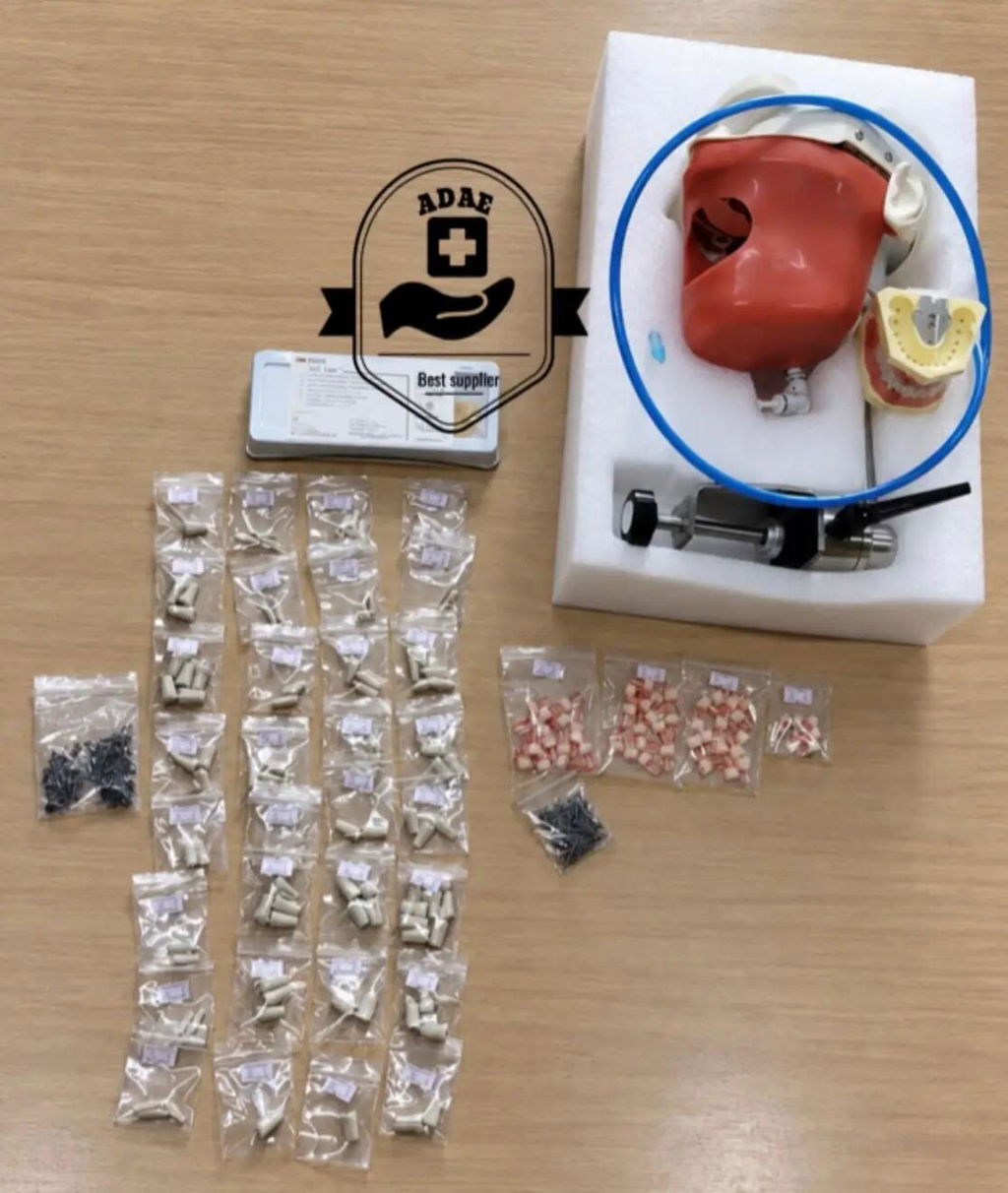
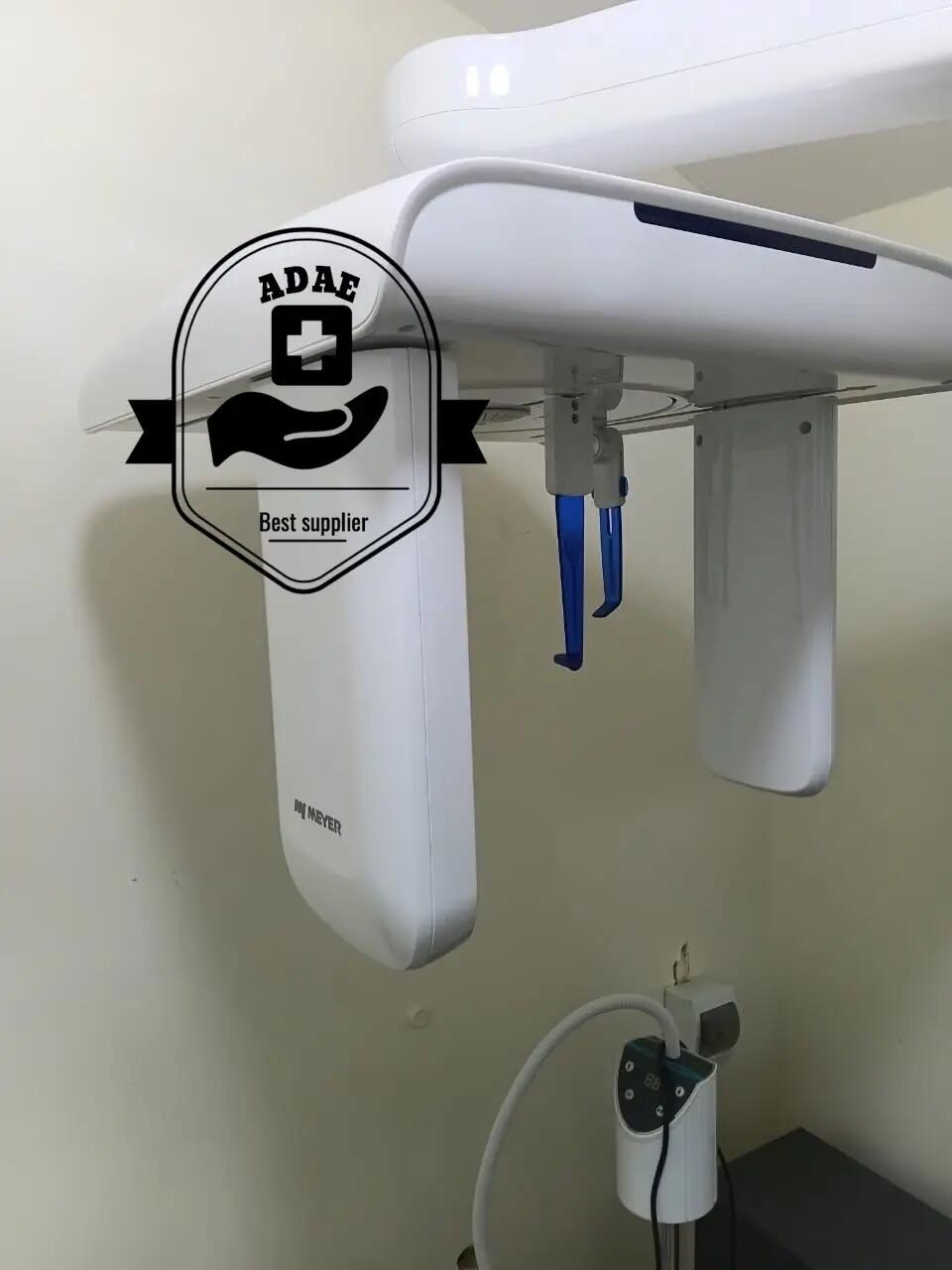
- ADC-style phantom head (manikin)
- Compatible typodont teeth for realistic practice
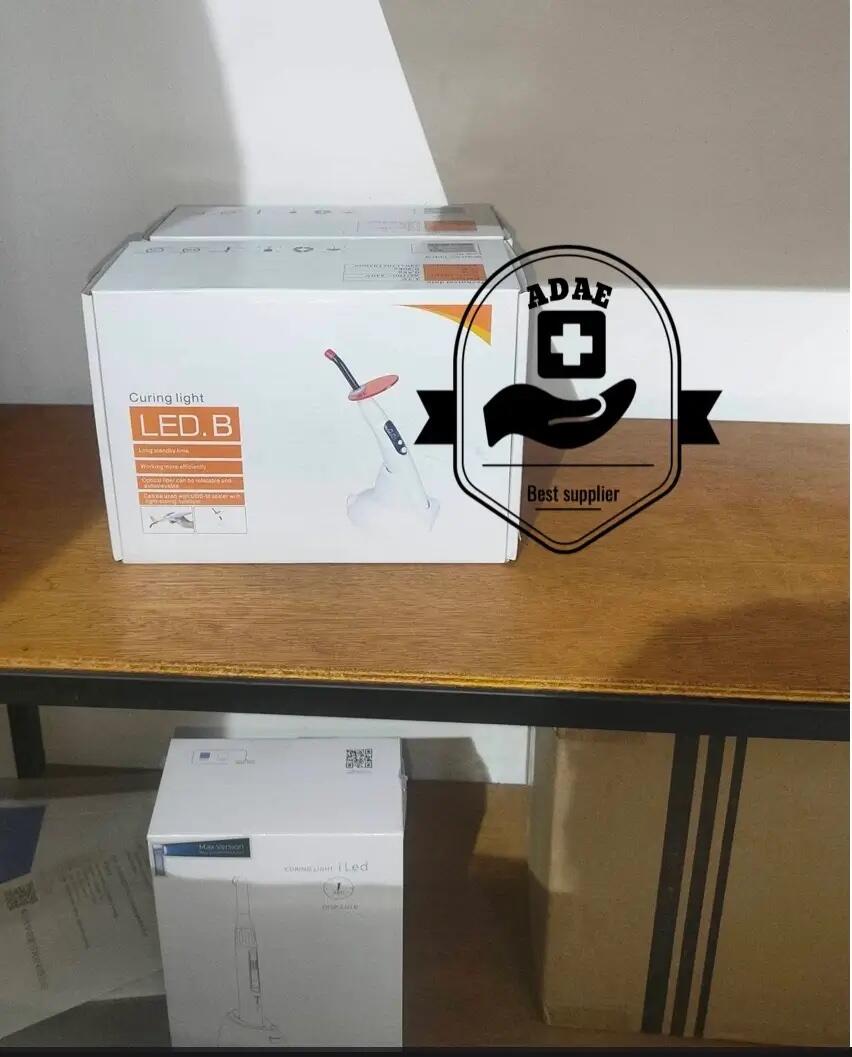
- High-precision dental loupes
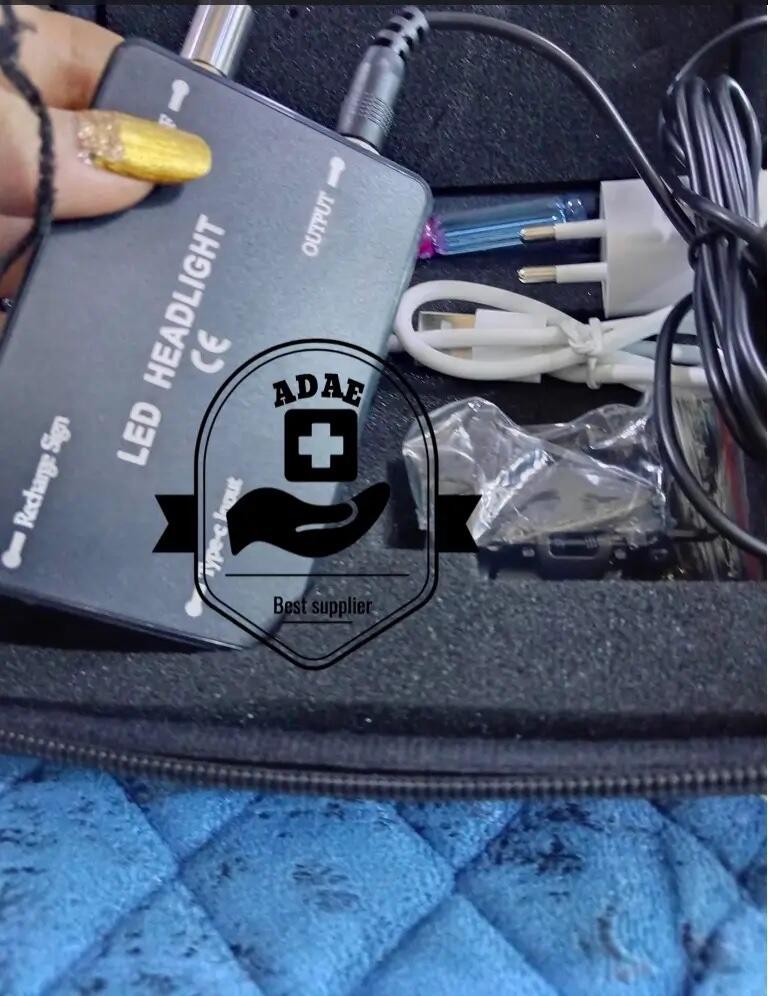
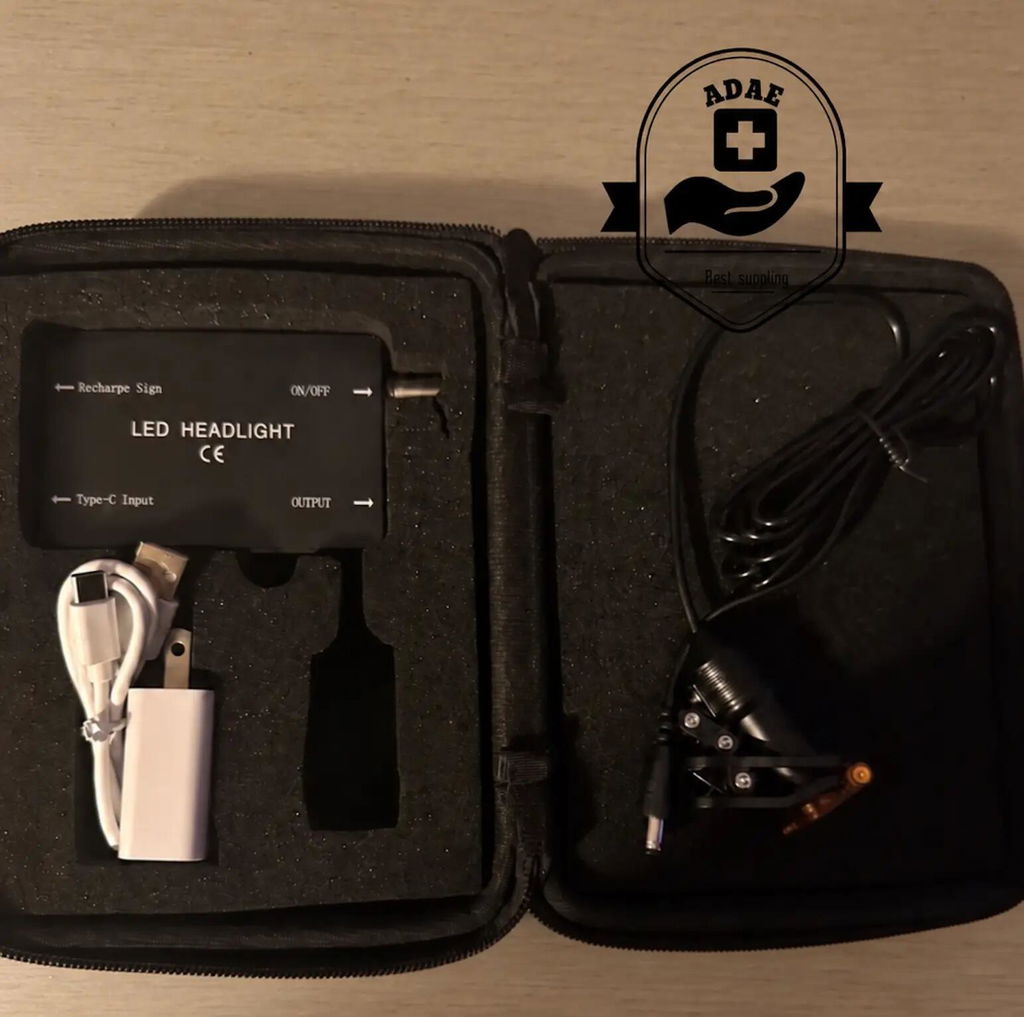
- LED headlight system for shadow-free visibility

AD014 Dental Loupes (ADC Recommended)

ADAE AD001 Portable Dental Unit

ADAE T1 Dental Phantom Head

ADC Magnetic Jaws (Columbia Compatible)

ADC Endodontic Teeth with Screws

ADC Teeth with Screws (PVR-860)
To achieve exam-level performance, your tools must match the required precision.
From ADAE Dental Store:
- ADC-compatible phantom head systems
- Endodontic and operative practice teeth
- Professional dental loupes (high clarity, ergonomic design)
- Wired and wireless LED headlights (consistent illumination)
Why this matters:
- Better visualization → cleaner margins
- Realistic simulation → reduced exam shock
- Ergonomic workflow → improved control and endurance
Final Clinical Insight
Passing the ADC exam is not about studying harder—it is about training correctly.
- Develop clinical thinking for the written exam
- Build mechanical precision for the practical exam
- Simulate real conditions consistently
If your preparation does not resemble the actual exam environment, your performance will not either.
How the ADC Exam is Scored (What Examiners Actually Look For)
Understanding evaluation criteria is critical—many candidates fail not due to lack of skill, but misalignment with examiner expectations.
Written Exam (MCQ) – Clinical Judgment Focus
- Questions are case-based, not theoretical
- Best answer = most appropriate clinical decision, not just correct fact
- Distractors test over-treatment vs conservative decision-making
What examiners expect:
- Safe, evidence-based treatment planning
- Alignment with Australian clinical standards
- Ability to prioritize patient outcomes
Practical Exam (OSCE/Simulation) – Objective Technical Scoring
Each task is graded against strict, measurable criteria—not general impression.
Core scoring domains:
- Preparation design (taper, depth, outline form)
- Margin quality (continuous, smooth, well-defined)
- Surface finish (no roughness, no unsupported enamel)
- Instrument control (no chatter, no overcutting)
- Time management (within limits without compromising quality)
Critical Insight Most Candidates Miss
- The exam is not about finishing the task
- It is about finishing within ideal parameters consistently
Actionable Rule
Train like this:
- Measure your taper
- Inspect margins under magnification
- Check surface smoothness
- Always work under time constraints
If you don’t measure your work, you are not preparing for the ADC exam




Leave a comment