ADC Practical Exam Requirements: What Examiners Actually Evaluate
The ADC Practical Examination is not a task-completion test. It is a precision-based clinical assessment where every detail of your preparation is evaluated against strict criteria.Candidates who fail are not lacking knowledge — they lack control, consistency, and discipline under exam conditions.
Core Principle of the ADC Practical Exam
- You are evaluated on how you perform, not just what you complete
- Every preparation must meet ideal prosthodontic and operative standards
- Small deviations are cumulative — multiple minor errors = failure
What Examiners Actually Assess
1) Marginal Integrity
What is expected:
- Continuous, well-defined margin
- No chipping, roughness, or unsupported enamel
- Clear finish line (chamfer or shoulder depending on case)
Common mistakes:
- Jagged margins
- Overcut margins
- Inconsistent depth
Clinical reality: Marginal quality alone can determine pass/fail.
2) Taper and Convergence
What is expected:
- Controlled taper (not parallel, not excessive)
- Proper path of insertion
- No undercuts
Common mistakes:
- Over-tapering → loss of retention
- Under-tapering → insertion issues
Examiners evaluate geometry and balance, not just shape.
3) Depth Control
What is expected:
- Uniform reduction
- Accurate depth grooves
- Preservation of tooth structure
Common mistakes:
- Over-reduction (loss of structure)
- Under-reduction (insufficient clearance)
Depth errors show lack of bur control and planning.
4) Surface Smoothness
What is expected:
- Smooth axial and occlusal surfaces
- No visible bur marks
- Clean transitions
Common mistakes:
- Rough walls
- Hesitation marks
- Poor finishing
Surface quality reflects hand stability and refinement.
5) Bur Control and Hand Stability
What is expected:
- Controlled, continuous movements
- No shaking or sudden direction changes
- Efficient, confident handling
Common mistakes:
- Overcutting due to poor control
- Irregular preparation patterns
This is one of the most overlooked failure factors.
Non-Negotiable Factors for Passing
-
Consistency
Every preparation must meet the same standard -
Control
No overcutting, no hesitation -
Discipline
Follow correct sequence — no shortcuts
Why Most Candidates Fail
- Treating the exam as a task checklist instead of a precision test
- Practicing without proper simulation
- Lack of magnification → missing fine details
- Poor ergonomics → loss of control over time
Clinical Setup Matters (Often Ignored)
Your performance is directly affected by your setup.
For realistic ADC preparation, candidates typically train using:
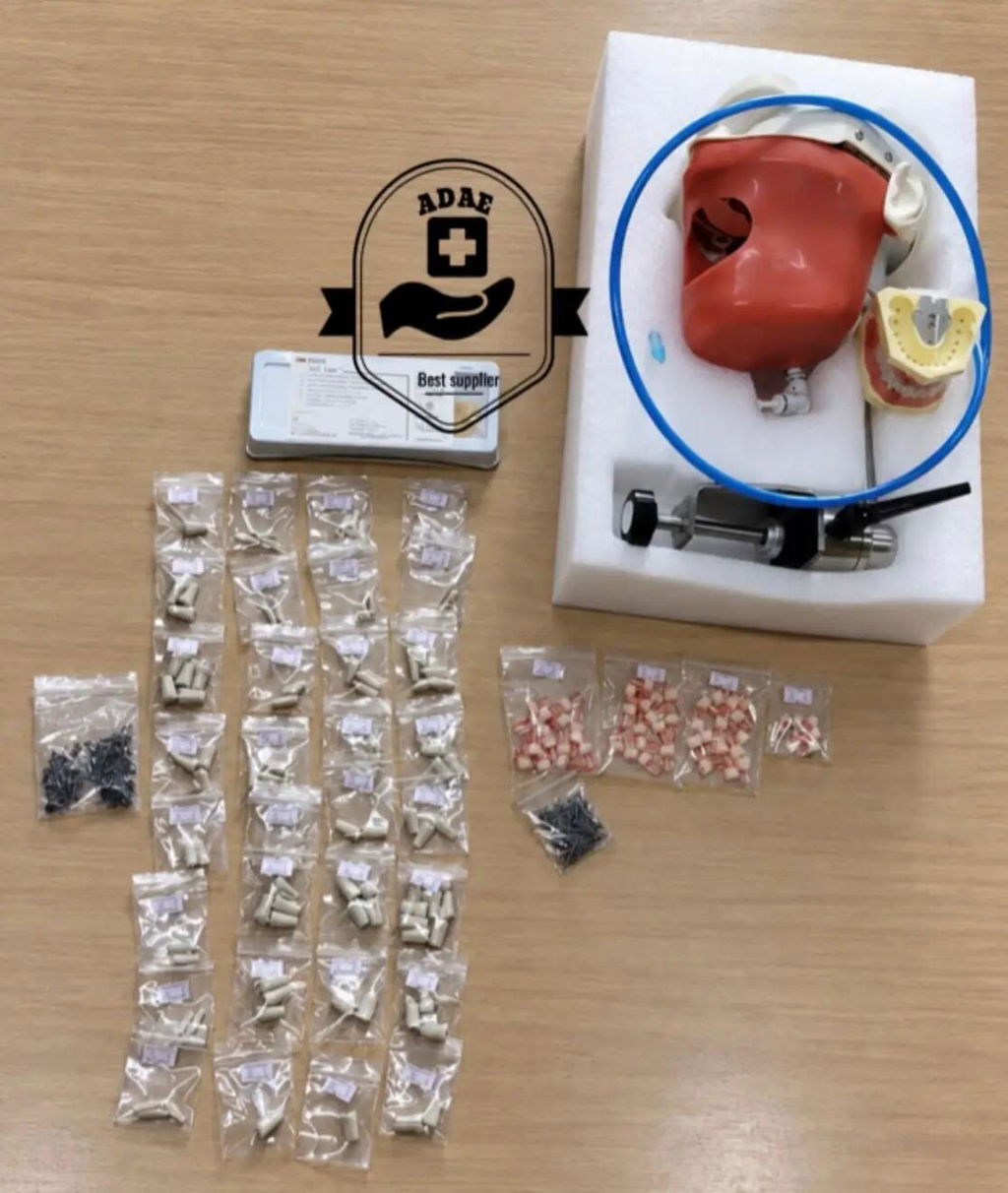
- A phantom head simulation unit to replicate exam conditions
- 3.5× magnification loupes with side shields to improve visibility and margin accuracy
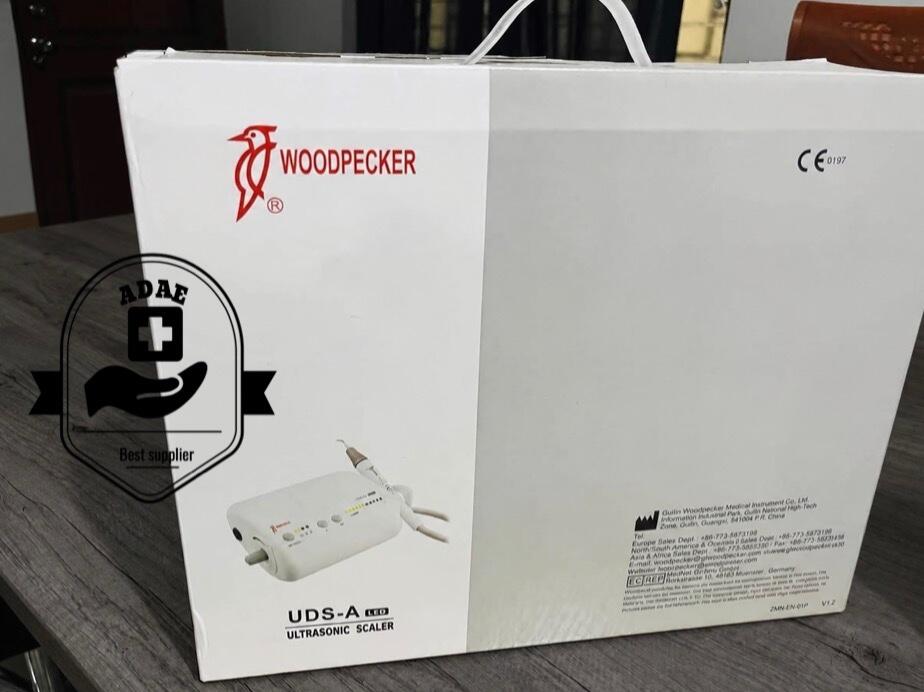
- A stable portable dental unit for consistent handpiece performance
These are not “extras” — they directly influence:
- Precision
- Stability
- Reproducibility
Final Insight
The ADC practical exam is not about being fast.
It is about being precise, controlled, and repeatable under pressure.
Candidates who pass:
- Train under realistic conditions
- Focus on micro-details
- Develop muscle memory, not just knowledge
Quick Self-Check Before the Exam
- Are your margins clean and continuous?
- Is your taper controlled and balanced?
- Is your depth accurate and consistent?
- Are your surfaces smooth and refined?
- Do you have full control over your bur at all times?
If any of these are uncertain — you are not ready yet.

AD014 Dental Loupes (ADC Recommended)

ADAE AD001 Portable Dental Unit

ADAE T1 Dental Phantom Head

ADC Magnetic Jaws (Columbia Compatible)

ADC Endodontic Teeth with Screws






Leave a comment