ADC Dental Exam FAQ & Equipment Guide
This FAQ is designed to guide serious candidates preparing for the ADC dental exam. It covers essential equipment, clinical preparation strategies, and key factors that influence success in both the written and practical stages. Focus on building precision, consistency, and full simulation training to meet ADC standards.
1. What are your shipping and warranty terms?
Worldwide FREE air express shipping
7–14 days delivery
1-year warranty
Lifetime technical support
7–14 days delivery
1-year warranty
Lifetime technical support
2. What equipment do I need for the ADC practical exam?
Dental loupes
Phantom head
Typodont jaws and teeth
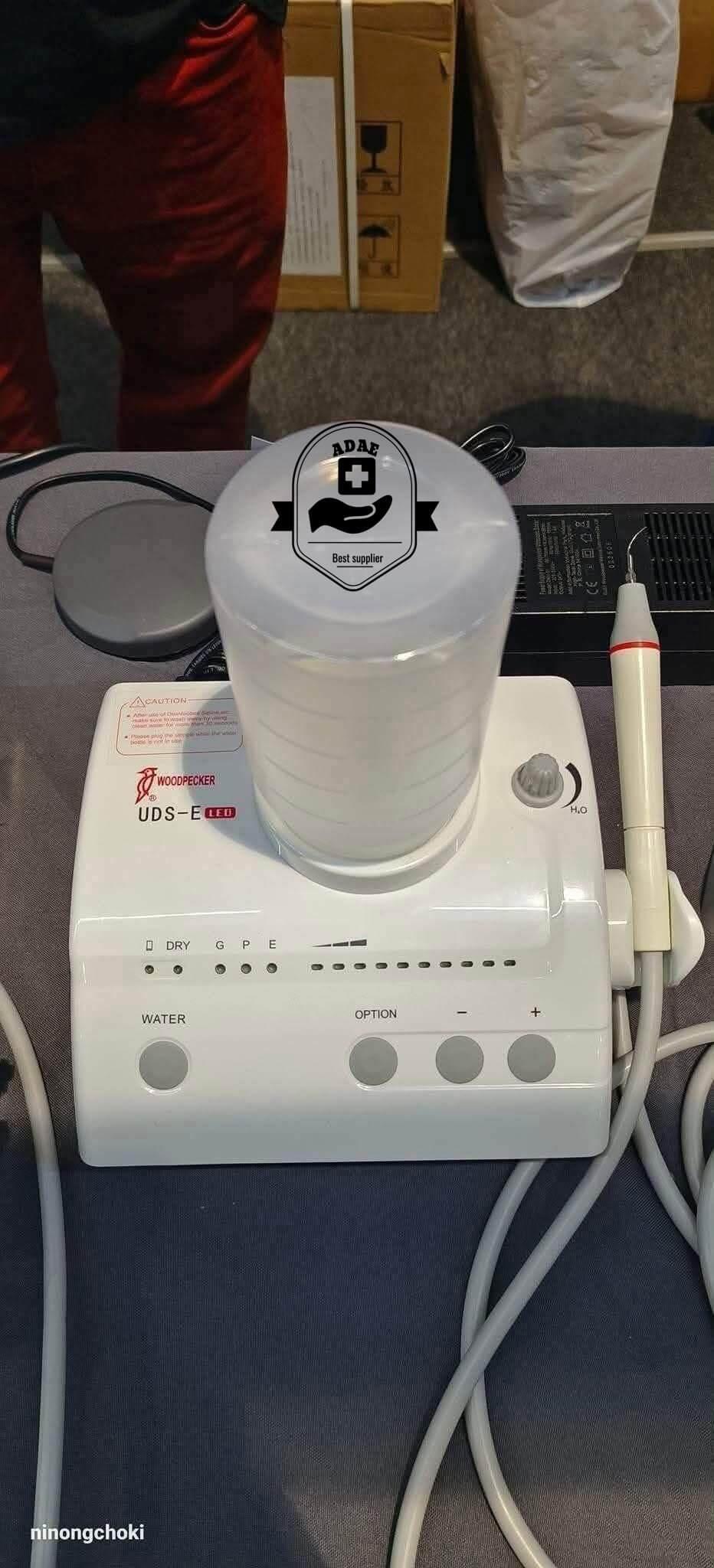
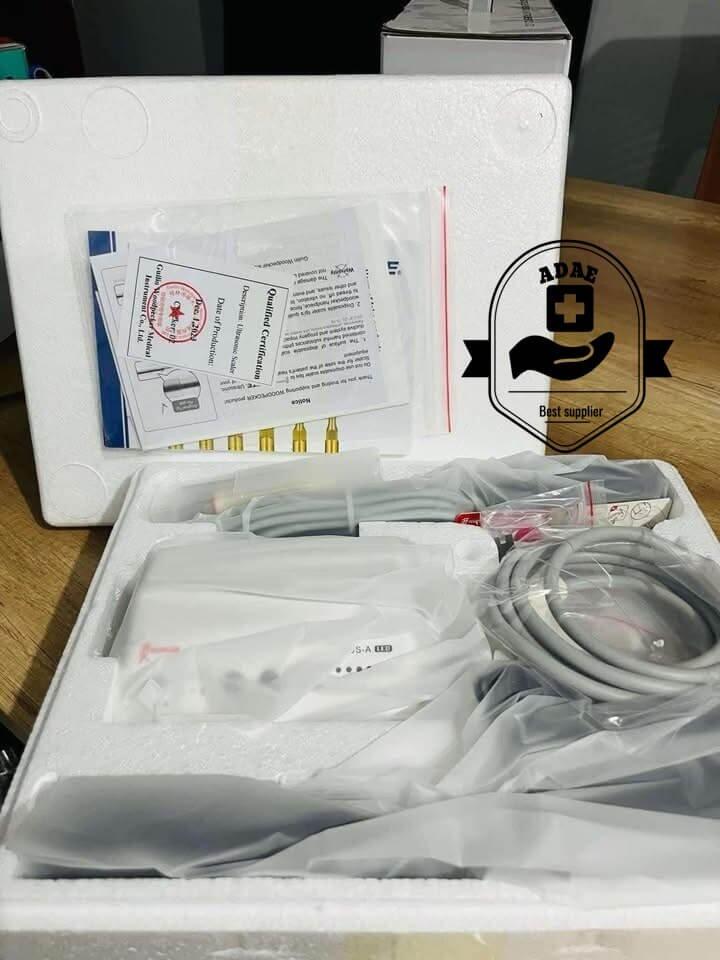
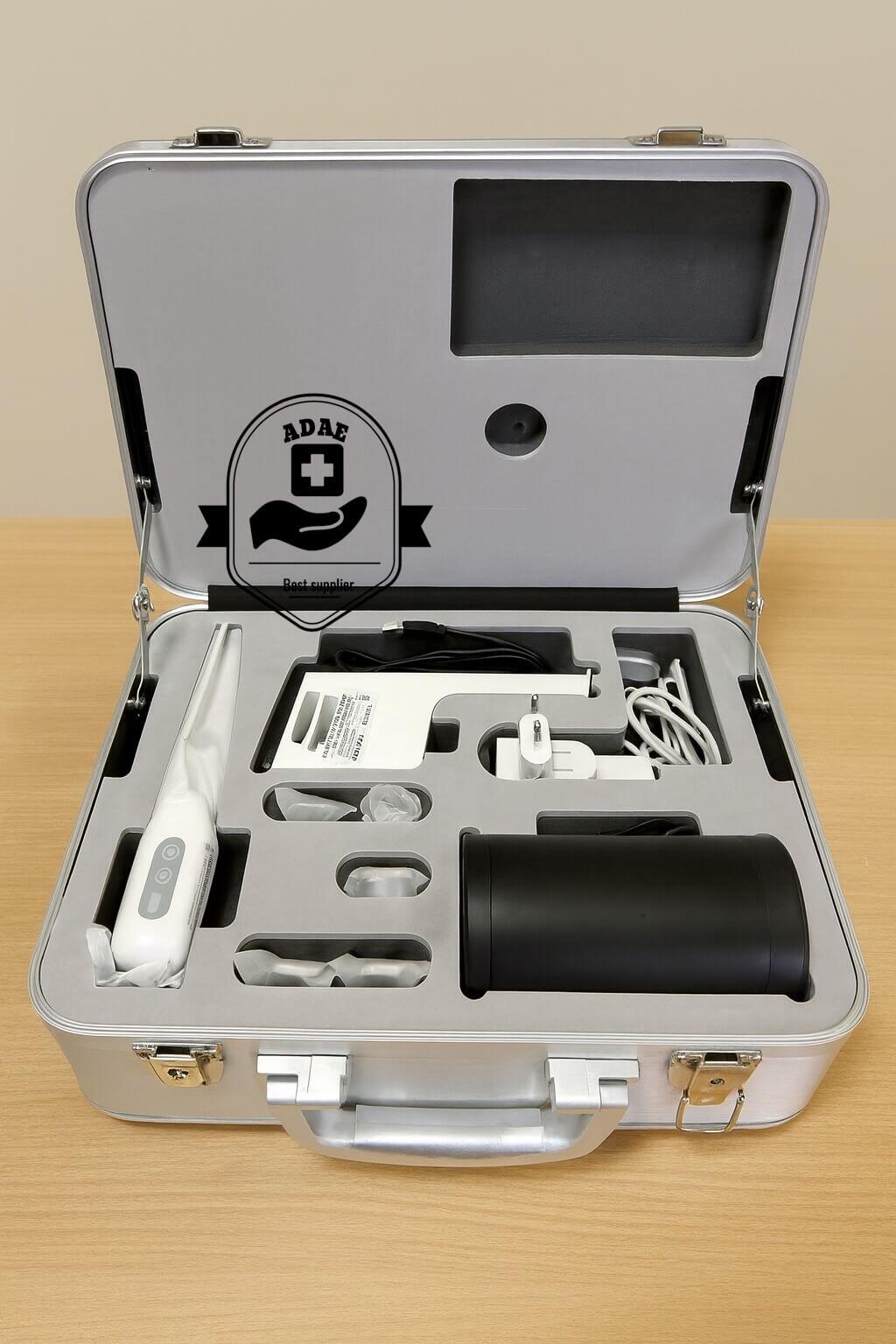
Portable dental unit
Phantom head
Typodont jaws and teeth
Portable dental unit
3. Which dental loupes are recommended?
ADAE AD014 3.5X
Designed for ADC exam requirements
• Includes side shields – required for ADC exam setup
• 3.5X magnification – ideal balance of field of view and precision
• Stable flip-up design – easy adjustment during training
• Comfortable for long sessions – reduces fatigue
• Consistent optical clarity – improves margin accuracy and preparation quality
Designed for ADC exam requirements
• Includes side shields – required for ADC exam setup
• 3.5X magnification – ideal balance of field of view and precision
• Stable flip-up design – easy adjustment during training
• Comfortable for long sessions – reduces fatigue
• Consistent optical clarity – improves margin accuracy and preparation quality
4. Which manikin should I use?
ADAE T1 Phantom Head
Realistic clinical simulation
Realistic clinical simulation
5. What teeth should I use?
ADC-compatible typodont teeth
Ensures realistic practice
Ensures realistic practice
6. Do I need a portable dental unit?
ADAE AD001 Portable Dental Unit
Supports full clinical workflow
Supports full clinical workflow
7. Can I practice without a full setup?
Yes, recommended to use a full setup
Improves accuracy and confidence
Improves accuracy and confidence
8. Are these products ADC suitable?
Yes
Designed for ADC simulation
Designed for ADC simulation
9. Why use magnification?
Better margins
Higher precision
Fewer errors
Higher precision
Fewer errors
10. Biggest mistake?
Practicing without proper setup
11. Best preparation method?
Full simulation + timed practice
12. Best magnification?
3.5X recommended
13. Flip-up or TTL?
Flip-up easier for beginners
14. Practice timing?
3–6 hours daily recommended
15. Should I train under time?
Yes, essential for exam success
16. Key to passing?
Consistency and precision
Strict adherence to preparation guidelines
Excellent margin definition and smooth finishing
Controlled hand movements and bur stability
Proper taper and convergence in all preparations
Time management under exam conditions
Practicing full procedures repeatedly (not isolated steps)
Ability to self-evaluate and correct mistakes
Maintaining calm focus during the exam
Following correct clinical sequence without shortcuts
Strict adherence to preparation guidelines
Excellent margin definition and smooth finishing
Controlled hand movements and bur stability
Proper taper and convergence in all preparations
Time management under exam conditions
Practicing full procedures repeatedly (not isolated steps)
Ability to self-evaluate and correct mistakes
Maintaining calm focus during the exam
Following correct clinical sequence without shortcuts
17. What are the stages of the ADC exam?
Initial Assessment (qualification verification)
Written Examination (MCQs, clinical reasoning)
Practical Examination (hands-on operative skills)
Written Examination (MCQs, clinical reasoning)
Practical Examination (hands-on operative skills)
18. What does the ADC written exam test?
Diagnosis and treatment planning
Clinical judgment across disciplines
Evidence-based decision making
Not memory-based — scenario interpretation is key
Clinical judgment across disciplines
Evidence-based decision making
Not memory-based — scenario interpretation is key
19. What is evaluated in the practical exam?
Preparation design and taper
Margin quality and smoothness
Depth control and bur handling
Consistency across all tasks
Margin quality and smoothness
Depth control and bur handling
Consistency across all tasks
20. Recommended books for ADC preparation?
• Oxford Handbook of Clinical Dentistry
• Clinical Problem Solving in Dentistry
• Australian Therapeutic Guidelines (Oral & Dental)
Focus on clinical reasoning, not memorization
• Clinical Problem Solving in Dentistry
• Australian Therapeutic Guidelines (Oral & Dental)
Focus on clinical reasoning, not memorization
21. Why do candidates fail the ADC practical exam?
Inconsistent preparations
Poor margin definition
Lack of time control
Practicing without full simulation setup
Poor margin definition
Lack of time control
Practicing without full simulation setup

AD014 Dental Loupes (ADC Recommended)

ADAE AD001 Portable Dental Unit

ADAE T1 Dental Phantom Head

ADC Magnetic Jaws (Columbia Compatible)

ADC Endodontic Teeth with Screws